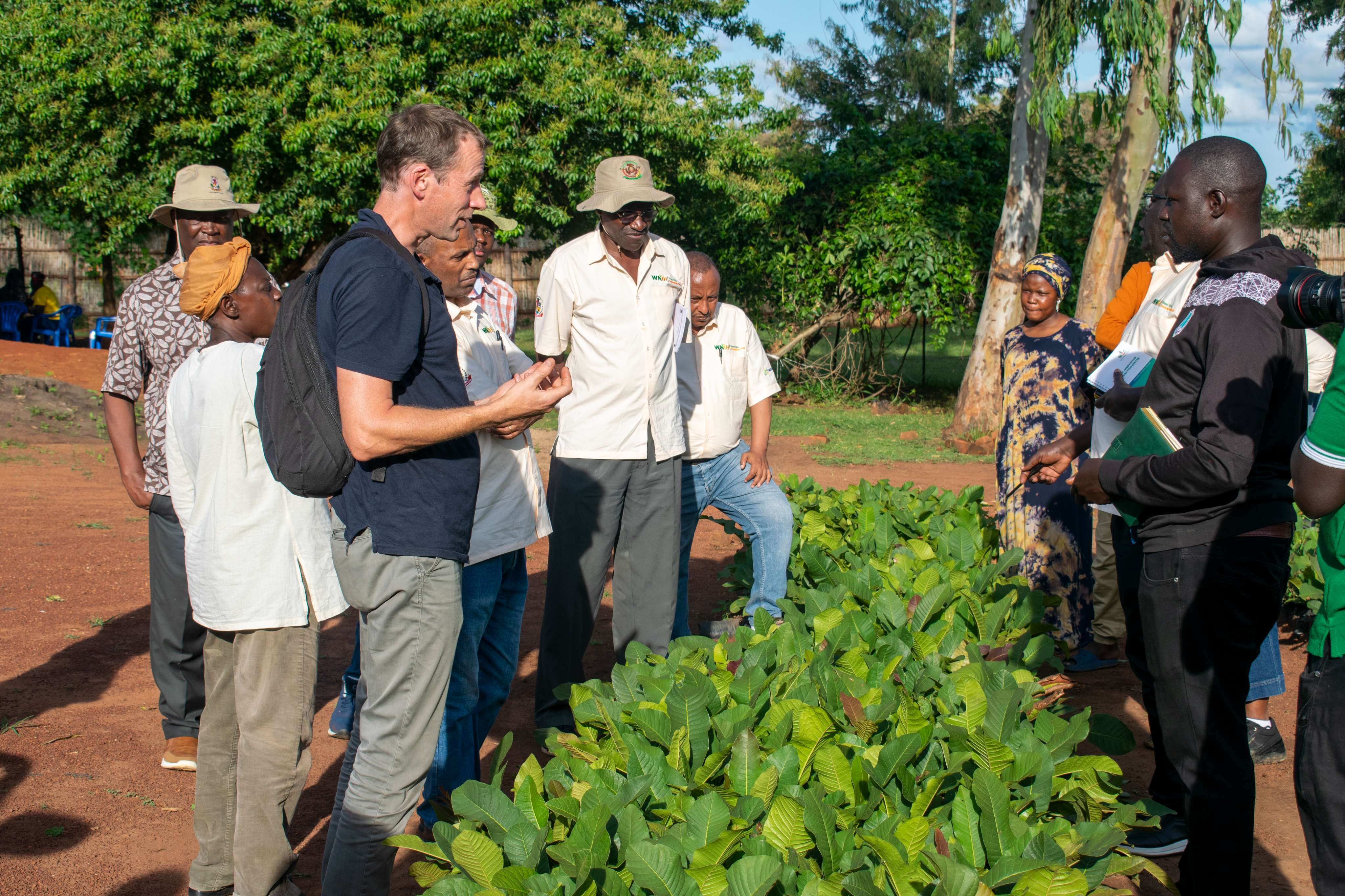
Introduction
Arilo, located in Yumbe District of the West Nile Region, represents a microcosm of the challenges facing smallholder farmers across northern Uganda. With limited access to inputs, markets, and extension services, farmers in this area have traditionally relied on subsistence crops with minimal income generation.
Beans (Phaseolus vulgaris) and ground nuts (Arachis hypogaea) present promising opportunities for sustainable income generation due to their relatively short growing cycles, established market demand, and soil improvement properties. Both crops are already cultivated in the region but with low productivity due to traditional practices and limited knowledge of improved agronomic techniques.
This research aimed to quantify the income potential of these crops and identify the most effective cropping systems for maximizing both economic returns and environmental benefits.
Methodology
The study was conducted over two growing seasons (2024-2025) in Arilo sub-county, involving 120 smallholder farmers across six villages. Participants were organized into three groups:
- Intercropping group (40 farmers) - Practiced bean-ground nut intercropping with improved spacing
- Monocrop beans group (40 farmers) - Grew beans only using improved varieties
- Monocrop ground nuts group (40 farmers) - Grew ground nuts only using improved varieties
All groups received training on improved agronomic practices including proper spacing, organic pest management, and post-harvest handling. Data was collected on yields, input costs, labor requirements, market prices, and household income.
Key Findings
Income Generation
The intercropping group demonstrated significantly higher income per hectare compared to monocrop groups:
- Intercropping: 1,850,000 UGX/ha (35-45% increase over monocrops)
- Beans only: 1,200,000 UGX/ha
- Ground nuts only: 1,370,000 UGX/ha
The income advantage of intercropping was attributed to:
- Diversified production reducing market risk
- Efficient use of land and labor resources
- Higher total productivity per unit area
Soil Health Improvements
Soil analysis conducted before planting and after harvest revealed significant improvements in intercropped plots:
- Nitrogen levels increased by 18% compared to monocrop plots
- Organic matter content improved by 12%
- Soil moisture retention was 22% better in intercropped systems
- Reduced soil erosion observed due to better ground cover
Food Security Impact
Households practicing intercropping reported:
- 40% increase in dietary diversity
- Extended food availability period by 2-3 months
- Reduced expenditure on purchased foods
Challenges Identified
- Pest Pressure: Aphids and leaf miners affected 30% of bean crops in the first season. Ground nuts faced rosette virus in some locations.
- Storage Losses: Post-harvest losses averaged 15% due to inadequate storage facilities. Bruchid beetles significantly affected stored beans.
- Market Access: Farmers reported difficulty accessing reliable markets, with 60% selling to middlemen at below-market prices. Price fluctuations of up to 40% were observed between harvest and lean seasons.
- Climate Variability: Unpredictable rainfall patterns affected planting schedules, with delayed rains in the first season reducing yields by approximately 20%.
- Labor Constraints: Peak labor periods for weeding and harvesting coincided, creating bottlenecks for households with limited family labor.
Recommendations
Based on our findings, we recommend:
- Scaling intercropping practices through farmer field schools and demonstration plots
- Establishing community-managed storage facilities with hermetic storage technologies
- Creating farmer cooperatives for collective marketing and price negotiation
- Integrating climate-smart agriculture techniques including water harvesting
- Developing value-added products (roasted ground nuts, packaged beans) to capture more value
- Strengthening extension services with regular farmer training programs
- Facilitating access to improved seed varieties resistant to local pests and diseases
Conclusion
Beans and ground nuts offer viable pathways to sustainable income for smallholder farmers in Arilo. The intercropping approach not only increases revenue but also contributes to soil regeneration, aligning with the WNIH mission of promoting regenerative and inclusive food systems across the West Nile Region.
The success of scaling these practices will depend on addressing the identified challenges through coordinated efforts involving farmers, extension services, market actors, and policy makers. With appropriate support, bean-ground nut intercropping systems can transform livelihoods while restoring agricultural ecosystems in Yumbe District and beyond.