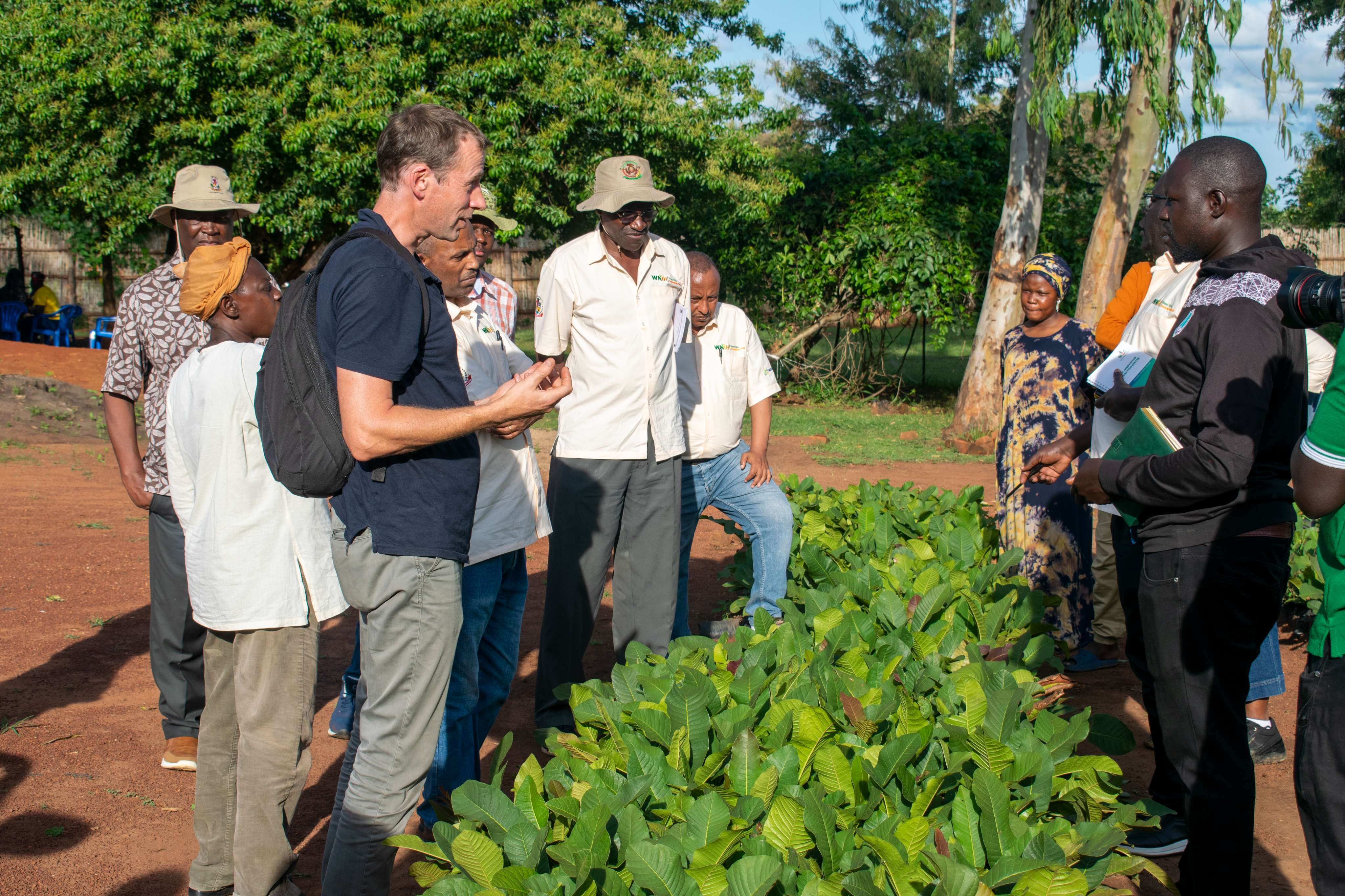
About West Nile Innovation Hub
Driving regenerative and inclusive food systems transformation in the West Nile Region of Uganda
Driving regenerative and inclusive food systems transformation in the West Nile Region of Uganda
The West Nile Innovation Hub (WNIH) is a Food System Innovation Platform working towards Regenerative and Inclusive Food Systems (RIFS) in the West Nile Region of Uganda.
We convene diverse stakeholders broadly categorised into three groups:
Through this collaborative approach, we provide a platform for co-creating solutions that build resilient, regenerative, inclusive, and health-focused food systems.
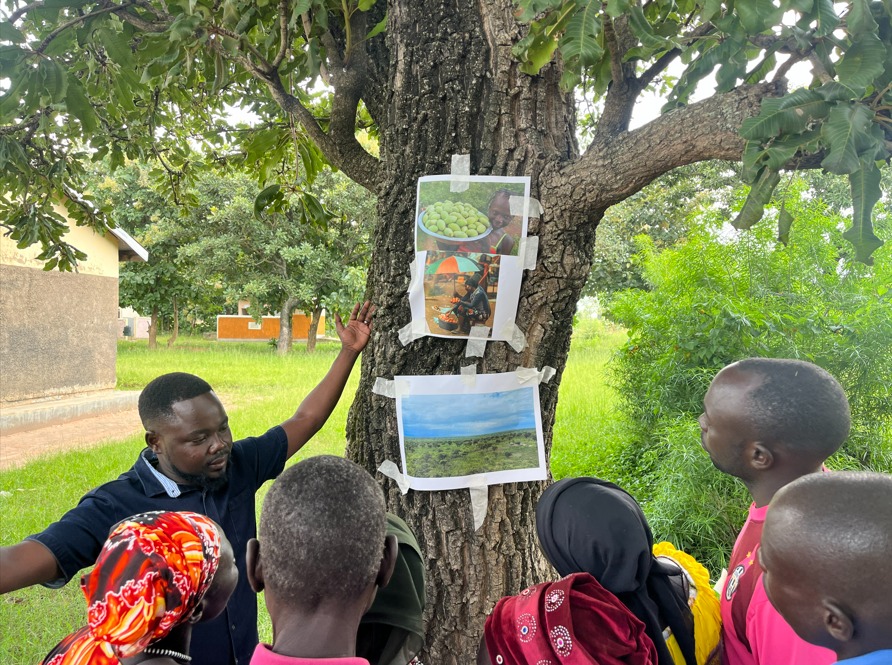
A resilient, regenerative and health-focused regional food system through a dynamic, innovative and inclusive platform
Nurturing innovations in food systems that enhance productivity, value addition, marketing, nutrition and ecosystem health in collaboration with key stakeholders
Working together across sectors to achieve shared goals for food system transformation.
Restoring ecosystems and building resilience through sustainable practices.
Ensuring women, youth, refugees, and marginalized groups have a voice and agency.
Embracing creative solutions and evidence-based approaches to complex challenges.
Creating lasting positive impact for communities and the environment.
Operating with transparency, accountability, and respect for all stakeholders.
The West Nile sub-region is one of the three sub-regions in Northern Uganda, lying mainly to the West of the River Nile. It is comprised of 13 districts: Arua, Adjumani, Koboko, Terego, Maracha, Moyo, Pakwach, Nebbi, Yumbe, Zombo, Arua City, Obongi and Madi-Okollo.
Arua city, located approximately 530 Km north-west of Kampala, is the largest urban center in the region. The region borders the Democratic Republic of Congo (DRC) to the west and the Republic of South Sudan to the north, offering unique trade opportunities.
According to the Uganda Bureau of Statistics, the population is estimated at 3,302,800 and growing rapidly at an annual rate of 3%. The region hosts nearly 777,751 refugees (51% of Uganda's total refugee population), creating both opportunities and pressures on food systems.
Districts
Population
Refugees Hosted
The West Nile food system faces critical challenges that demand urgent action
Unreliable rainfall, prolonged drought, and unpredictable weather patterns affecting farming.
Declining soil fertility, deforestation, and unsustainable farming practices.
Low crop yields, poor nutrition, and insufficient access to safe, nutritious food.
Community Interest Groups
Farmers Trained
Active Projects
Partner Organizations
Meet the dedicated team driving food system transformation in West Nile
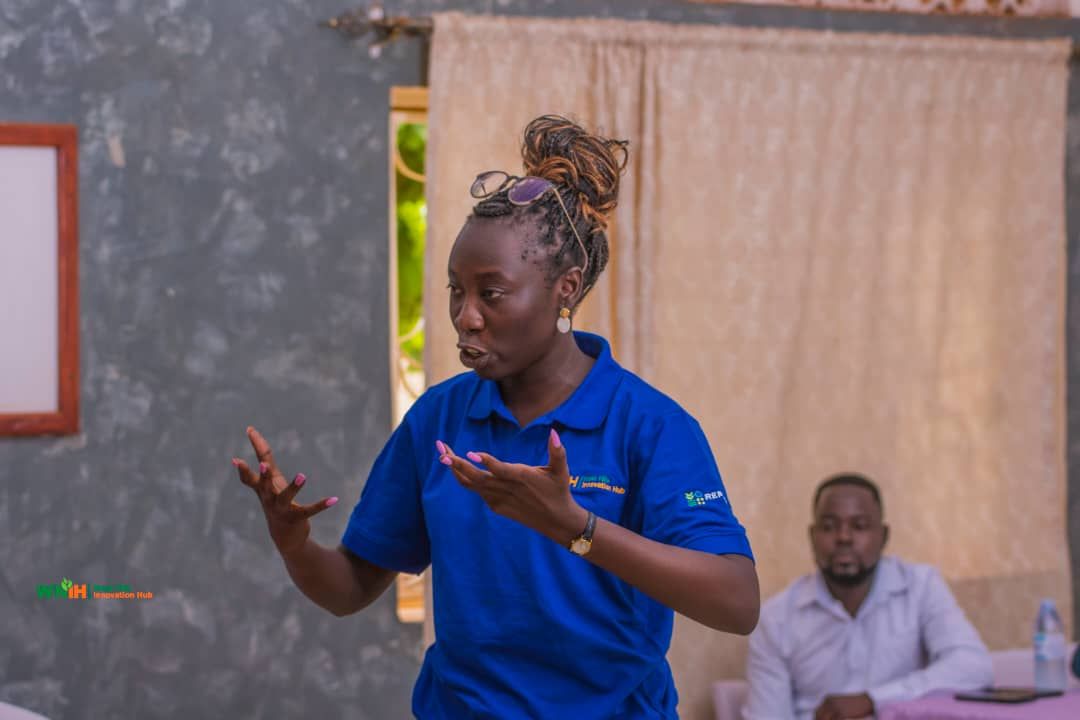
Be part of the movement towards regenerative and inclusive food systems in West Nile.
Partner With Us